Preventive Maintenance for Heating and Cooling Systems
An HVAC system can continue running even when a worn component, dirty coil, restricted filter, or loose connection is quietly affecting its performance. Maintenance gives our technicians an opportunity to identify those issues early. It is similar to checking your vehicle before a long winter drive: the goal is not merely to see whether it starts, but to make sure the equipment is ready for the road ahead.
We offer seasonal maintenance for many types of residential and light commercial equipment. This includes furnaces, central air conditioners, heat pumps, geothermal systems, and other common comfort systems. The exact service is adjusted to the equipment, its condition, and the manufacturer’s maintenance requirements rather than handled as a rushed, one-size-fits-all checklist.
What Is Included in an HVAC Tune-Up?
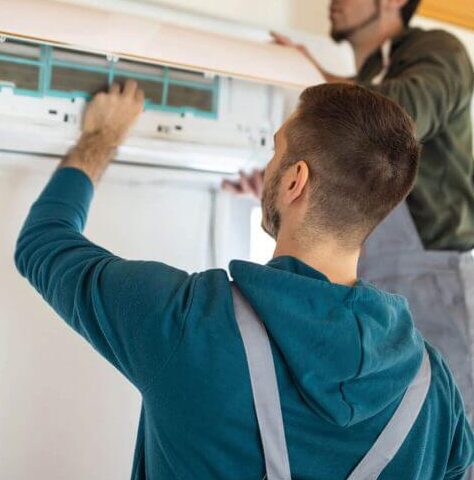
During a maintenance appointment, our technician inspects the system, checks its operation, and looks for conditions that may affect safety, efficiency, or reliability. We pay attention to how the equipment starts, runs, and shuts down, not simply whether warm or cool air comes from a vent.
The specific work depends on whether we are maintaining heating or cooling equipment. A typical HVAC tune-up may include:
If we find a concern, we explain what it means and whether it requires immediate attention or can be monitored. You receive useful information without pressure or confusing technical language. Our job is to help you understand the condition of your equipment so you can make a confident decision.
When Should You Schedule HVAC Maintenance?
For most systems, maintenance should be scheduled at least once a year. Homes with separate heating and cooling equipment often benefit from a furnace tune-up in the fall and an air conditioning tune-up in the spring. This timing helps uncover problems before the equipment enters its busiest season.
You do not have to wait for a particular month, however. Maintenance is also worthwhile after purchasing a home, when equipment has not been inspected recently, or when a system seems to be running longer than usual. If your energy use has climbed without an obvious explanation, rooms feel uneven, or the system has become noisier, an inspection can provide useful answers.
Common reasons to schedule service include:
Maintenance cannot eliminate every possibility of a breakdown, especially with aging equipment, but it can reduce preventable strain and reveal developing trouble. A small issue found during a planned appointment is often easier to manage than a complete loss of heating on a January night.
Benefits of Routine HVAC Maintenance
A well-maintained system has a better opportunity to operate as designed. Clean components, proper airflow, sound electrical connections, and correctly functioning controls all contribute to steady performance. That can mean more consistent temperatures, less unnecessary energy consumption, and fewer frustrating hot or cold spots.
Regular service can also support longer equipment life by reducing avoidable wear. When a system struggles against restricted airflow or an overlooked mechanical problem, the added strain can affect other components. Maintenance helps keep a minor condition from creating a domino effect inside the equipment.
Additional benefits may include:
The greatest benefit is often predictability. Instead of wondering whether the furnace or air conditioner will make it through another season, you have a professional assessment and a better plan for repairs, upkeep, or eventual replacement.